How Energy-Efficient Homes Affect Your Property Value
With Melbourne’s energy bills climbing sharply and the local climate throwing four seasons at us in a single day, local homeowners are facing a quiet budget squeeze. If you own a property in Mt Waverley, Chadstone, or the wider Monash area, you are likely noticing a major shift in what local buyers are asking during open inspections.
They aren’t just looking at the Caesarstone benchtops or the proximity to Chadstone Shopping Centre anymore. Today’s buyers are looking up at the roof, checking the window seals, and asking: “What is this home going to cost me to run?”
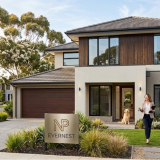
At NP Evernest, we are seeing a massive shift in market dynamics. Energy efficiency is no longer just a trend for the eco-conscious; it is a major financial lever that directly impacts your home’s capital growth, rental yield, and selling speed.
The Cold, Hard Data: What Energy Efficiency is Worth in Melbourne
Many sellers worry that putting money into sustainability upgrades is a sunk cost. However, the latest Victorian property data reveals exactly the opposite.
According to the recent Domain Sustainability in Property Report, Melbourne houses marketed with energy-efficient keywords sold for a median price premium of 23.8% more—which translates to roughly $197,000 on average.
For townhomes and units, the premium sits at a healthy 17.8% (about $95,000).
Furthermore, statistical modeling on local Melbourne sales shows a clear correlation:
-
Solar PV Systems: Adding a quality solar setup adds an average of 2.8% (or roughly $24,400) to a home’s final sales price.
-
NatHERS Star Ratings: Every single additional star on a home’s Nationwide House Energy Rating Scheme (NatHERS) rating increases its value by 1.1% (about $8,200).
-
Double Glazing: High-performance double glazing adds a premium to sales prices while slashing seasonal heating and cooling bills.
When you realize that a 7-star energy-rated home can reduce your heating and cooling demand by up to 25% compared to an older 6-star home, it is easy to see why buyers are willing to pay a premium. They are essentially pre-paying their utility bills for the next decade.
High-ROI Upgrades for Mt Waverley & Chadstone Homes
You don’t need to completely rebuild your house to reap these rewards. If you are preparing your property for sale with NP Evernest, we recommend focusing on these high-impact, cost-effective home energy upgrades:
1. Smart Draft-Proofing & Weather Seals
Melbourne’s older brick veneer homes (highly common in parts of Mt Waverley and Chadstone) are notoriously drafty. Sealing gaps around doors, windows, and skirting boards is incredibly inexpensive but can cut heating bills by up to 25%.
2. Upgraded Ceiling Insulation
If your ceiling insulation is under-specced or non-existent, topping it up to a minimum R5.0 rating keeps your home warm in winter and cool in summer. It’s a hidden feature that smart buyers check on the section 32 and building reports.
3. Transitioning to All-Electric (Heat Pumps & Induction)
Gas is rapidly losing favor with modern buyers due to rising supply charges and the Victorian transition plans. Replacing a failing gas hot water system with a highly efficient electric heat pump is a massive selling point that future-proofs your asset.
⚠️ Urgent Notice for Monash Property Investors
Under the newly updated Victorian residential tenancy guidelines, strict minimum energy efficiency standards for rental properties will come into effect in phases starting 1 March 2027. These rules cover mandatory ceiling insulation, draft-proofing, energy-efficient heating and cooling, and high-efficiency hot water systems.
If your investment property does not meet these targets, you will not be legally allowed to sign a new lease or renew an existing month-to-month agreement. Upgrading now ensures compliance, unlocks current government subsidies, and instantly increases your capital value.
How to Leverage Your Energy Rating When Selling
If you’ve already invested in solar, double-glazed windows, or a high NatHERS star rating, do not let these features go unnoticed.
At NP Evernest, we don’t just list your home; we tell its financial story. Our marketing strategies explicitly highlight your utility savings in our copywriting, feature your energy rating on listing portals, and train our sales agents to point out heat pumps, high-quality insulation, and solar battery storage during open inspections.
Frequently Asked Questions
Q1: Does a solar system really increase property value in Melbourne?
Yes, local Melbourne market analysis shows that properties with functional solar systems sell for approximately 2.8% more than similar homes without solar. This adds an average of $24,400 in value to a standard metropolitan home, while dramatically shortening its time on the market.
Q2: What is the minimum energy rating for new builds in Victoria?
As of recent building code changes (NCC 2022), all new residential builds in Victoria must meet a minimum 7-star energy rating along with Whole-of-Home appliance efficiency targets. Existing older homes are not forced to meet this unless undergoing major renovations or being offered for lease under the upcoming 2027 standards.
Q3: How do I find out my home’s current energy rating?
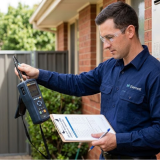
You can book a certified NatHERS assessor to conduct a thermal performance assessment of your home. They will analyze your building materials, window glazing, orientation, and insulation to issue an official certificate rating your home from 0 to 10 stars.