Selling vs Renting Your Monash House: The 2026 Financial Decision Framework
If you own a house in the City of Monash—whether in Mt Waverley, Chadstone, Oakleigh, or Wheelers Hill—you are holding an asset in one of Melbourne’s most resilient property corridors. However, holding property in Victoria in 2026 requires a very different calculation than it did five years ago.
Rising state land taxes, strict rental compliance laws, changing interest rates, and high buyer demand have forced Monash property owners into a clear crossroad: Is your property working harder for you as a long-term rental asset, or is now the optimal window to release equity through a sale?
At NP Evernest, we manage and sell premium residential assets across Mt Waverley, Chadstone, and the broader Monash region. This 2026 Financial Decision Framework gives you a clear, numbers-based model to evaluate your next move.
1. The 2026 Monash Market Context: Numbers You Must Know
Making the right decision starts with understanding the micro-economic realities of our local community:
| Market Metric | Monash Regional Benchmark (2026) | Strategic Implication for Owners |
| Median House Price | ~$1,490,000 | High equity locked in physical asset; price growth is stable with tight listing stock. |
| Median Weekly Rent | ~$685 – $710 / week | Strong rental demand driven by Monash University, school zones, and public transport access. |
| Gross Rental Yield | 2.4% – 2.8% | Muted cash flow yields mean capital growth and tax strategy must carry the investment. |
| Average Days on Market | 28 – 35 Days | Low housing inventory creates strong competition among qualified buyers. |
2. The Holding Cost Audit: What Renting Really Costs in 2026
Renting out a house in Mt Waverley or Chadstone is no longer a set-and-forget investment. To calculate true net yield, you must factor in three primary structural shifts in Victoria:
Expanded Land Tax Surcharges
The Victorian State Government’s land tax threshold reductions continue to impact property investors. For a typical Monash property with a high land-to-building ratio, annual land tax liabilities can eat away 15% to 30% of your gross rental income.
Pre-Listing Compliance & Safety Mandates
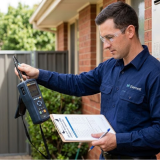
Under updated Victorian rental regulations, properties cannot be listed or re-leased without meeting strict pre-listing compliance criteria. Mandatory two-year gas and electrical safety inspections, compliant switchboard upgrades, anchored window coverings, and minimum insulation standards mean upfront capital outlay before a single tenant moves in.
Extended Notice Periods & Tenant Rules
Notice periods for rent reviews and lease changes are set at 90 days, while no-fault evictions have been phased out. Property owners require proactive management strategies to ensure rent remains aligned with current market rates without breaching compliance limits.
3. The Financial Decision Framework: 4 Core Evaluation Pillars
To decide whether to sell or rent your Monash house, score your current situation against these four pillars:
Pillar 1: Equity & Opportunity Cost] ---> Can your capital earn higher returns elsewhere?
Pillar 2: Debt & Cash Flow Impact] ---> Is the property self-sustaining at current interest rates?
Pillar 3: Asset Condition & Upkeep] ---> Will upcoming Victorian compliance require heavy capital outlay?
Pillar 4: 5-Year Life Horizon] ---> Do you need liquid capital for family, retirement, or business?
Pillar 1: Opportunity Cost of Locked Equity
If your Mt Waverley home has $1,000,000 in usable equity and generates $35,000 in net annual rent after outgoings, your net return on equity is just 3.5%. Reinvesting that equity or paying down non-deductible debt could yield a better risk-adjusted financial outcome.
Pillar 2: Interest Rates vs. Rental Growth
With investment mortgage rates remaining elevated, holding a property with a 2.5% gross yield often requires cash top-ups from your personal income every month. If holding the property strains your monthly cash flow, selling may provide immediate financial relief.
Pillar 3: Land-to-Building Ratio & Future Upside
Houses on large blocks (600sqm+) in Mt Waverley and Chadstone hold strong long-term capital preservation value. If your land value forms 70%+ of the total asset value, holding for capital growth typically outweighs short-term cash flow deficits.
Pillar 4: Property Age & Immediate Capex
If your home requires $25,000+ in immediate safety, heating/cooling, and insulation upgrades to meet Victorian rental standards, selling “as-is” to an owner-occupier or developer may preserve more capital than absorbing major refurbishment costs.
4. Selling vs Renting Comparison Matrix
| Financial Factor | Retaining as a Monash Rental Asset | Selling in Current Monash Market |
| Immediate Liquidity | Low (Equity locked in physical asset) | High (Lump-sum capital settlement) |
| Tax Impact | Ongoing Land Tax + Income Tax on rent | Capital Gains Tax (CGT) offset options if primary residence |
| Monthly Cash Flow | Dependent on mortgage size vs tenant rent | Eliminates holding costs and mortgage debt |
| Long-Term Upside | Compounding capital growth in elite school zones | Opportunity to diversify into alternative assets |
| Management Effort | Requires professional oversight & safety audits | Zero ongoing management responsibility |
5. Actionable Next Steps for Monash Homeowners
Request a Property Compliance Audit: Before spending money on refurbishments, obtain a clear assessment of what upgrades your house requires under current Victorian rental standards.
Calculate Your True Net Yield: Deduct land tax, council rates, insurance, safety checks, and management fees from your gross annual rent.
Get an Unbiased Market Appraisal: Understand what your home would achieve in today’s buyer market versus its earning potential on the rental market.
Consult Your Accountant: Evaluate the Capital Gains Tax (CGT) implications of selling versus the tax deductibility of holding.
Frequently Asked Questions
Q: Is 2026 a good time to sell a house in Mt Waverley or Chadstone?
Yes. Because housing supply across the City of Monash remains tight while buyer demand in school catchments stays high, well-presented houses are selling quickly at strong prices. Selling in a low-inventory market allows vendors to maximize competitive bidding.
Q: How much land tax will I pay on an investment house in Monash?
Land tax in Victoria is calculated on the total unimproved site value of non-exempt land you own. Due to lowered threshold limits, even single investment properties in Monash often incur thousands of dollars in annual land tax assessments.
Q: What safety standards must a Monash rental home meet before listing?
Under current Consumer Affairs Victoria rules, rental properties must meet strict safety standards prior to advertising. This includes compliant electrical switchboards with RCD safety switches, 2-year safety checks for gas and electricity, window cord anchors, functional heating, and compliant window coverings.
Q: How does NP Evernest help homeowners decide between selling and renting?
NP Evernest provides dual-market appraisals. We analyse your property’s net rental yield under current compliance costs alongside its projected auction/private sale value, allowing you to make a clear, data-driven decision.